
How to Remodel on a budget without sacrificing quality
Updated: Oct 5
Remodeling your home doesn’t have to mean overspending. With the right planning and smart decisions, you can achieve a high-end look while staying within budget. Whether you’re updating a kitchen, renovating a bathroom, or preparing a property for sale, the key is knowing where to invest and where to save.

Start with a clear plan
The biggest budget mistakes happen when projects begin without a solid plan. Define your priorities early—what matters most: functionality, aesthetics, or resale value? Having a clear scope of work helps prevent unexpected costs and delays.
Focus on High-Impact Areas
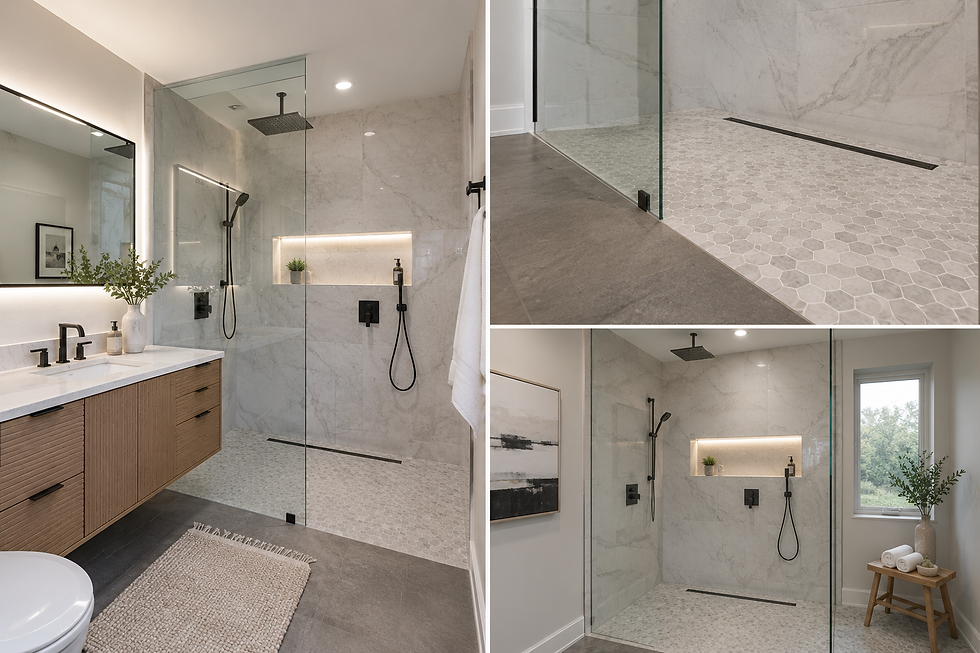
Not all upgrades add the same value. Kitchens and bathrooms typically deliver the best return, especially in competitive markets like Florida. Simple upgrades such as new tile, updated vanities, or modern fixtures can dramatically improve the look without requiring a full gut renovation.
3. Keep the Existing Layout When Possible
Relocating plumbing, electrical, or walls can quickly increase costs. If your current layout works, keeping it can save thousands while still allowing for a complete visual transformation.
Choose Quality Materials—Strategically
You don’t have to choose the most expensive materials to get great results. The key is balance. Invest in durable, high-visibility items like countertops or flooring, and save on elements like hardware or accessories. Many affordable materials today offer the same look as luxury options.
Mix High and Low Finishes
A smart way to stay on budget is by combining premium pieces with cost-effective ones. For example, pairing a statement vanity with more affordable tile can create a high-end feel without the high-end price tag.
Work With Experienced Professionals
Hiring the right contractor can actually save you money. Experienced professionals help you avoid costly mistakes, guide you toward smart material choices, and keep the project on schedule.
Plan for Unexpected Costs
Even with the best planning, surprises can happen—especially in older homes. Setting aside a small contingency budget (around 10–15%) will help you stay on track without stress.
Think Long-Term
Cutting corners may save money upfront, but it often leads to higher costs later. Focus on quality workmanship and durable materials that will last over time, especially in high-use areas like kitchens and bathrooms.


Comments